South County, Rhode Island
Cesspool Replacement and Septic Work in South County, RI
Rhode Island gives new owners one year after closing to replace a cesspool. Here is how that rule, the state loan program and the permit process work across Washington County.
Call 401-535-7951Read the one-year rule
- Cesspool conversions at sale
- Septic replacement and repair
- Inspections and pumping
Key facts
- A cesspool must be replaced within 12 months of a sale or transfer (RIGL § 23-19.15-12).
- RIDEM's published range for a conventional cesspool replacement is about $10,000 to $15,000.
- RIDEM's published range for an advanced nitrogen-reducing system is $23,000 to $32,000.
- CSSLP loans cost 1% a year plus a $300 fee, for up to 10 years; most towns cap them at $25,000.
- 8 of the 9 South County towns take part in the CSSLP; Exeter is not on the list.
What triggers a cesspool replacement in Rhode Island?
The most common trigger is a sale. Under the Rhode Island Cesspool Act, a cesspool serving a building that is sold or transferred must be removed and replaced with a septic system, or connected to public sewer, within 12 months of the closing. The rule applies statewide, not only near the shore.
RIDEM puts it plainly: the cesspool must be removed from service within one year of the closing date. The requirement covers closings on or after January 1, 2016, and RIDEM's FAQ confirms foreclosures are not exempt. The law does not say whether the buyer or the seller pays. It is negotiable, but the new owner faces enforcement if the year runs out.
Transfers between spouses, parents and children, full siblings, or into trusts for first-degree relatives do not trigger the rule. Failure is the other common trigger. A cesspool that sends sewage to the surface, needs pumping more than twice a year, or sits in groundwater meets the state definition of failed.
We've laid out every case in our plain-English guide to Rhode Island's cesspool law, and owners getting ready to list can read what selling a house with a cesspool involves.
This is general information, not legal or tax advice.
How can you pay for a cesspool or septic replacement?
Most South County towns offer the Community Septic System Loan Program (CSSLP), run by the Rhode Island Infrastructure Bank and RIHousing. Under RIIB's SFY2026 plan, the homeowner pays 1% a year on the outstanding balance plus a $300 origination fee, with terms of up to 10 years.
RIHousing says most town programs cap loans at $25,000, and you apply through your town. Local terms differ: Narragansett lends up to $20,000 for failed systems. Charlestown, Hopkinton, Narragansett, New Shoreham, North Kingstown, Richmond, South Kingstown and Westerly are listed as participants. Exeter is not. Confirm current terms with your town or RIHousing before you plan around a number.
For budgeting, RIDEM's published ranges put a conventional cesspool replacement at about $10,000 to $15,000 and an advanced nitrogen-reducing system at $23,000 to $32,000. The figures are undated, so treat them as a starting point; quotes depend on your lot and soils. See what cesspool replacement costs in RI and how the RI septic loan program works.
This is general information, not legal or tax advice.
Why do the salt ponds change the rules?
Along the South County shore, nitrogen from septic systems feeds the salt ponds. Inside the Salt Pond and Narrow River Critical Resource Areas, state rules require nitrogen-reducing technology for new construction, alterations and repairs, so a cesspool there is usually replaced with an advanced system rather than a conventional one.
A white paper prepared for CRMC by URI researchers estimated that septic systems supplied about 85% of the nitrogen reaching groundwater around Point Judith Pond and about 80% around Potter Pond. The Salt Pond region covers parts of Westerly, Charlestown, South Kingstown and Narragansett. The Narrow River area covers parts of Narragansett, North Kingstown and South Kingstown.
Under the rules, nitrogen-reducing technology must cut total nitrogen by at least 50% and discharge no more than 19 mg/l. RIDEM's online Critical Resource Area boundary tool shows whether a lot falls inside. Our guide to the salt pond nitrogen rules goes deeper.
What kinds of septic work do South County homes need?
Most jobs fall into a few groups: replacing a cesspool, replacing a whole septic system, repairing one failed part, or rebuilding a leach field. Around that work sit inspections, pumping, soil testing and design, plus sewer connections where a public line reaches the street.
- Cesspool replacement: meeting the one-year sale deadline or replacing a failed cesspool.
- Septic system replacement: a full new system when the old one is past repair.
- Nitrogen-reducing septic systems: advanced treatment required near the salt ponds and Narrow River.
- Septic repair: fixing one component instead of the whole system.
- Leach field replacement: rebuilding the drainfield where the soil has stopped taking water.
- Septic inspections: for a sale, a town program or peace of mind.
- Septic pumping: routine maintenance on the schedule your town sets.
- Septic design and soil testing: the plans and groundwater work behind a permit.
- Septic tank replacement: swapping a cracked or undersized tank.
- Sewer connection: tying in where a public sewer line is available.
How does the septic permit process work in Rhode Island?
In Rhode Island, RIDEM issues septic permits, not the town. RIDEM describes three stages: site suitability, design review and installation inspections. State rules require a licensed designer to prepare the plans and a licensed installer to build the system, and the town receives the final Certificate of Conformance.
South Kingstown's repair and replacement procedure shows the usual order, and it matches practice across the county:
- Hire a designer, who evaluates the soil and draws the plan. Some sites need water table readings taken in the wet season, January 1 through April 1.
- The designer files with RIDEM. Repair applications typically take 1 to 2 weeks to review; new construction and alterations about 3 weeks.
- Get a CRMC approval as well if the lot is in coastal jurisdiction.
- Hire an installer to build the approved design, with inspections during installation.
- Submit RIDEM's Certificate of Conformance to the town when the work is complete.
Where to read more
Our step-by-step guide to the RI septic permit process covers each stage, and the design and soil testing page explains the groundwater work that often sets the calendar.
Which South County towns does this site cover?
This site covers the nine towns of Washington County. The state rules apply everywhere, but local programs differ: some towns require regular inspections, some sit on salt pond watersheds, and Block Island protects its own drinking water aquifer. RIDEM's municipal program summary shows the range. Each town page lists the local office and rules.
- South Kingstown: mandatory inspections; cesspools go within 12 months of a sale or 5 years of the first inspection.
- Narragansett: CSSLP loans up to $20,000 for failed systems; Narrow River and Point Judith Pond watersheds.
- North Kingstown: a town-wide wastewater management ordinance with inspections at least every three years.
- Exeter: rural lots with private wells and septic; not listed in the CSSLP.
- Richmond: inland, no salt ponds, inside the Pawcatuck Basin sole source aquifer.
- Hopkinton: Hope Valley, Ashaway and other villages; voluntary inspections under RIDEM's 2022 summary.
- Charlestown: inspections at least every three years; Ninigret, Green Hill and Quonochontaug ponds.
- Westerly: sewer downtown, while areas such as Misquamicut stay on onsite systems.
- Block Island: inspections at least every three years to protect the island's sole source aquifer.
Why call before you start?
A short call can sort out which rules apply to your lot before you spend money on the wrong plan. Call 401-535-7951 to talk through your options and get a free estimate from a local septic pro who works on South County properties and knows the permit steps.
Have your address, any closing date, past inspection reports and the permit history ready. RIDEM's OWTS permit records go back to 1968. You can also send your details through the contact page.
Septic and cesspool work across South County
Cesspool replacement
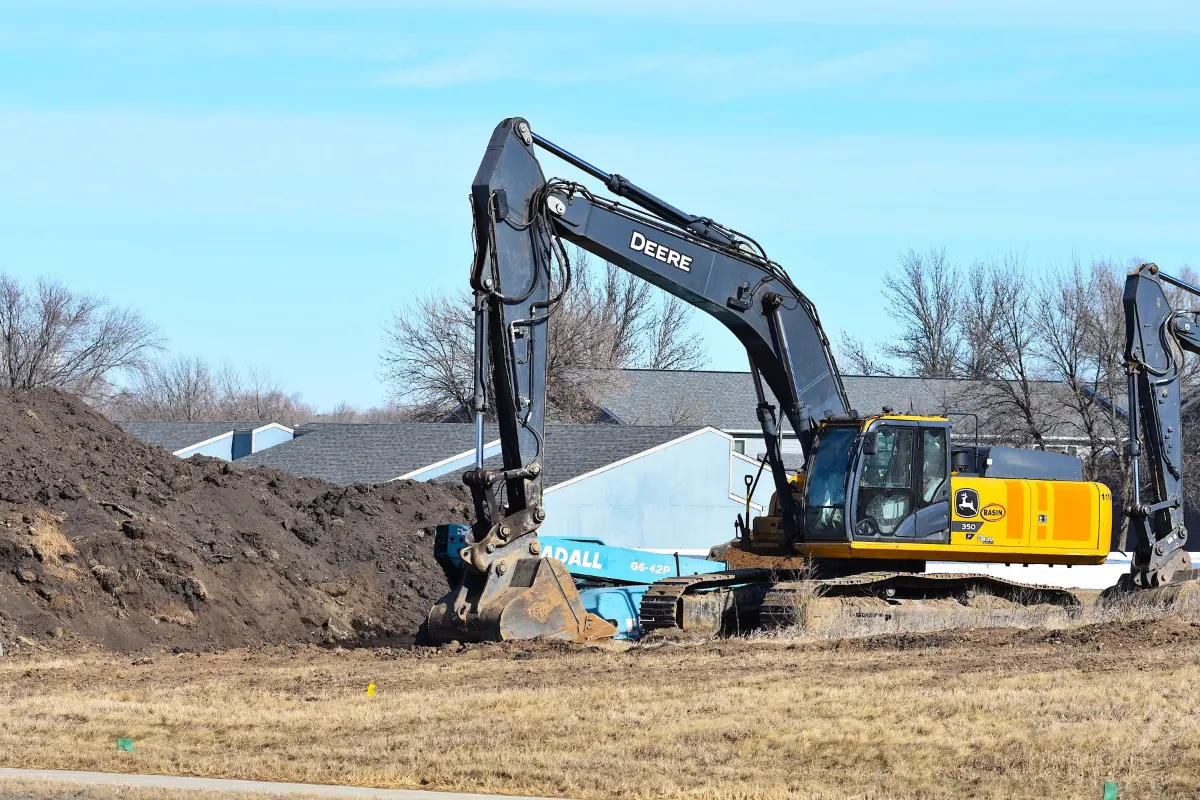
When a sale, a failure or a coastal location puts a cesspool on the clock, here is how replacement works in Washington County, from soil testing to the final paperwork.
Leach field replacement
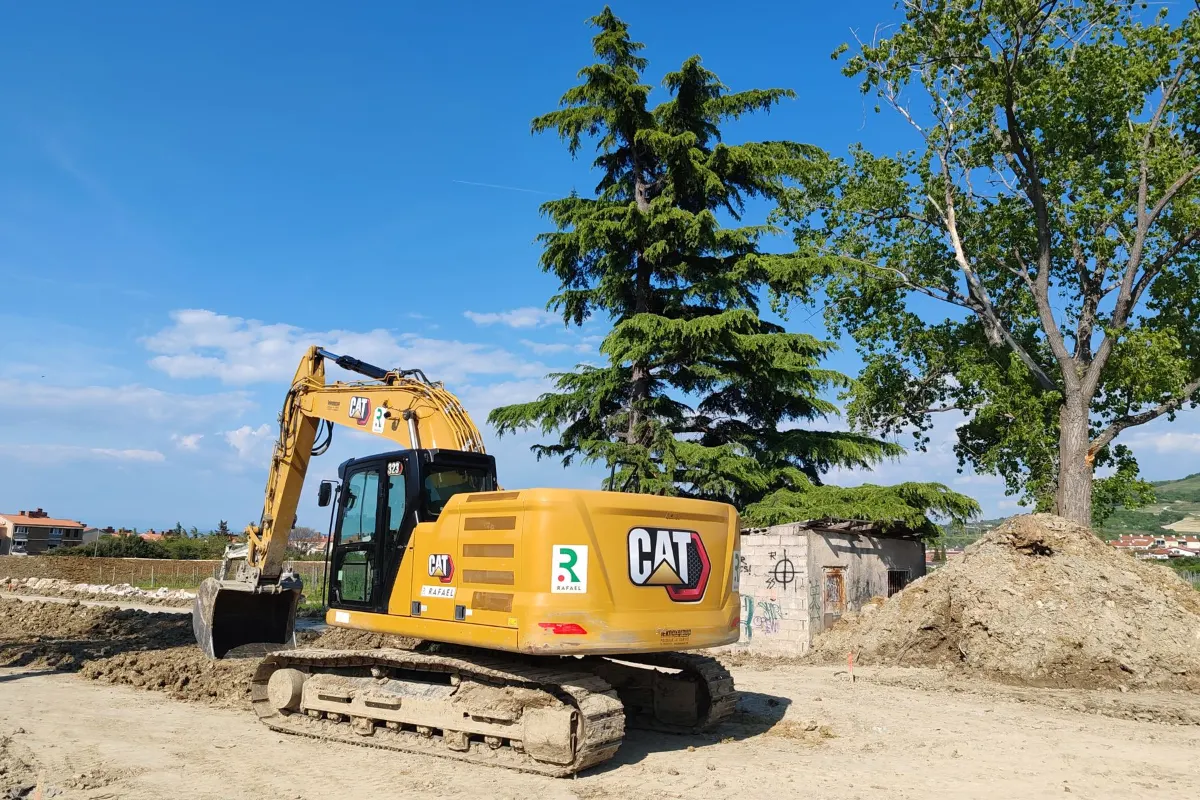
When the soil under a septic system stops taking water, the leach field has to be rebuilt. Here is how that works with South County's groundwater, soils and state rules.
Nitrogen-reducing systems
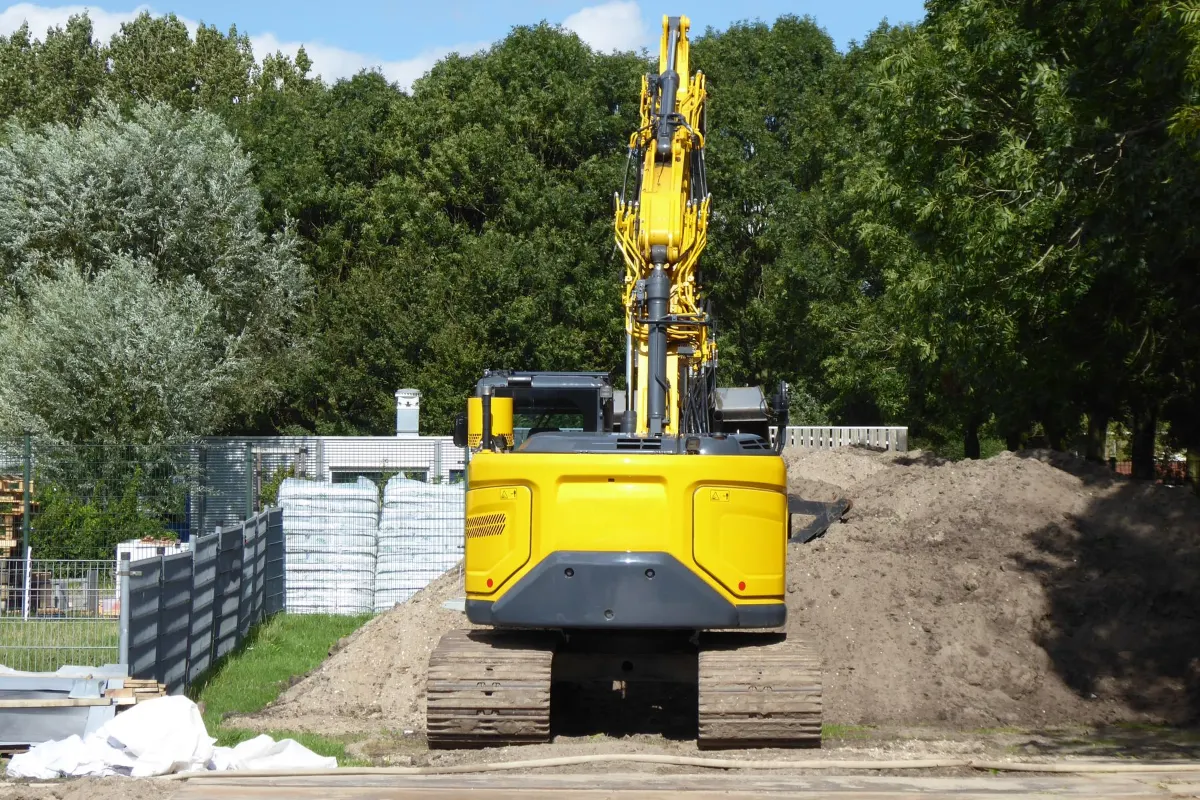
Near the salt ponds and the Narrow River, a new or repaired septic system usually has to remove nitrogen. Here is where the rule applies, what it requires and what it costs.

Design and soil testing
Every new or replacement septic system in Rhode Island starts with a soil evaluation and a design prepared by a state-licensed designer, then goes to RIDEM for review.
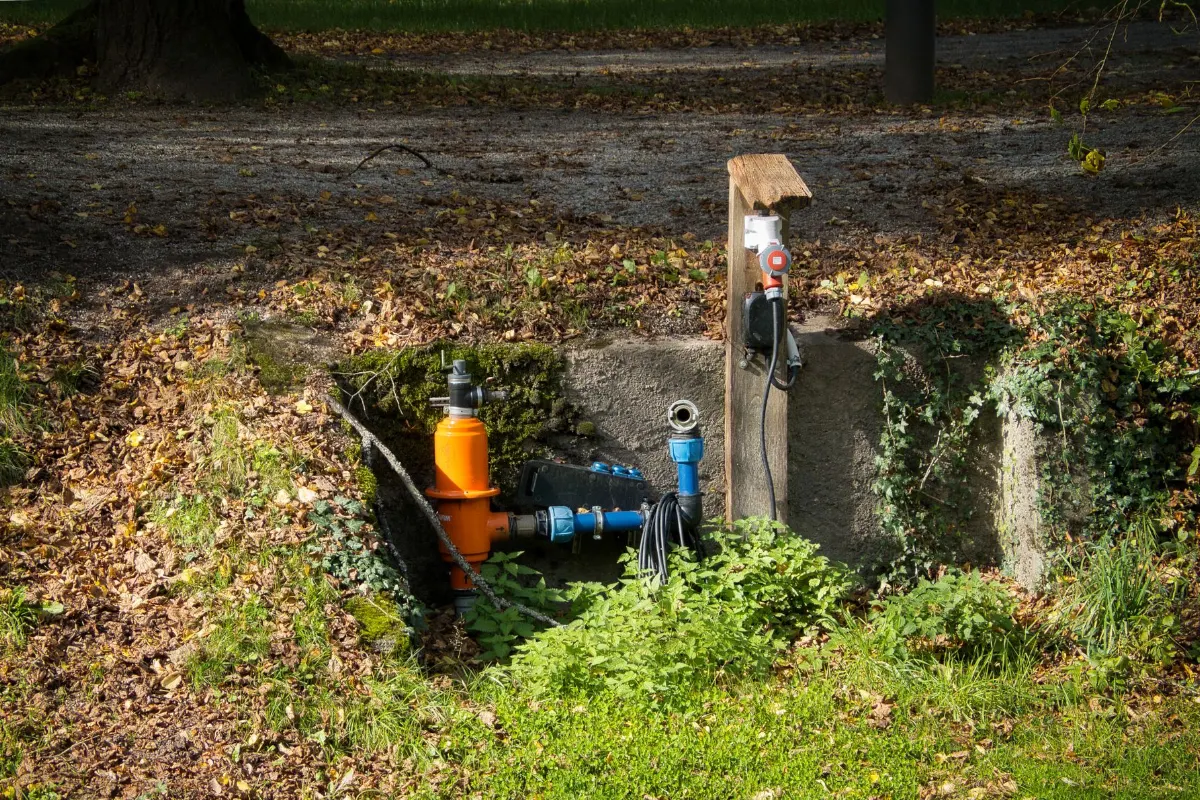
Septic inspections
Some South County towns require a septic inspection on a fixed schedule, and state law requires a cesspool check before some sales. Here is what applies to your property.
Septic pumping
Regular pumping keeps solids out of your drainfield. In South County, some towns set the schedule for you, and where the septage goes can affect summer timing.
Septic repair
Not every septic problem means a new system. Here is how repairs are handled in Rhode Island, what town inspections look for, and when the salt pond rules change the plan.
Septic system replacement
When a septic system is past repair, the replacement has to fit your soils, your groundwater and, near the shore, the state's nitrogen rules. Here is how the process works.
Cesspool and septic questions
Do I have to replace my cesspool if I sell my house in Rhode Island?
Yes, unless the transfer is one of the few family exemptions. State law requires the cesspool to be removed and replaced with a septic system, or connected to sewer, within 12 months of the sale or transfer. The deadline runs from the closing date. Our guide to the cesspool law explains the exemptions.
Who pays to replace a cesspool, the buyer or the seller?
The law does not say. RIDEM's FAQ describes it as subject to negotiation between buyer and seller. Whatever the deal, the new owner is the one subject to enforcement if the work is not done within a year. RIDEM's FAQ covers this.
How do I know if my house has a cesspool?
Start with the property's permit history; RIDEM notes that all Rhode Island cesspools pre-date 1968, when permit records begin. If the wastewater system is unknown, state law requires an inspection before a sale to find out whether a cesspool is present. See how to tell if you have a cesspool.
How much does it cost to replace a cesspool in South County?
RIDEM's published ranges are about $10,000 to $15,000 for a conventional septic system and $23,000 to $32,000 for an advanced nitrogen-reducing system. These figures are undated, and your quote depends on soils, groundwater, lot size and whether the salt pond rules apply. A site visit gives you a real number.
Is there a deadline to replace every cesspool in Rhode Island?
The Cesspool Act, as published on the legislature's website, sets no single statewide deadline for every cesspool. Replacement is triggered by a sale, a failure, a location within 200 feet of tidal water or a public water supply, or sewer availability. Some towns, such as South Kingstown, add their own phase-out schedules.
How long does a septic permit take in Rhode Island?
RIDEM says repair applications typically take 1 to 2 weeks to review, and new construction or alterations about 3 weeks. Design work comes first, and some lots need wet-season groundwater readings taken between January 1 and April 1, which can set the real timeline. Coastal lots may also need a CRMC approval.
Talk through your cesspool or septic project
Call 401-535-7951 for a free estimate from a local septic pro. Have your address and any closing date handy.