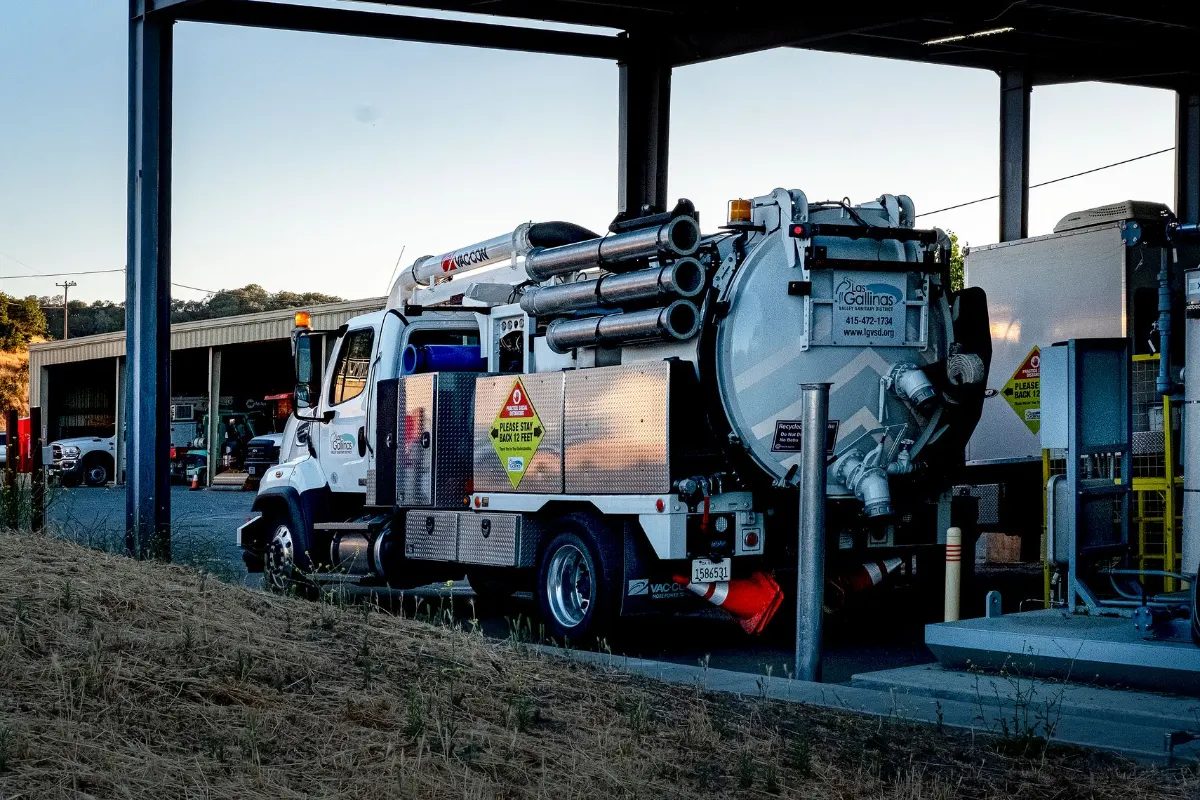
How often should a septic system be inspected and pumped?
EPA advises having a septic system inspected at least every 3 years, and alternative systems with pumps or treatment units about once a year. Pumping usually falls every 3 to 5 years, depending on tank size and household use. EPA puts that routine care at about $250 to $500 each time.
The inspection guidance is on EPA's septic care page and the cost range on its maintenance page. RIDEM's Septic Smart homeowner page covers everyday habits. An inspector checks the sludge and scum levels and tells you when septic pumping is due, so the two tasks usually go together.
What does my South County town require?
Several towns turn that advice into law. South Kingstown requires inspections every 2 to 5 years depending on condition. North Kingstown, Charlestown and New Shoreham require an inspection at least every 3 years. RIDEM reports that Narragansett requires pumping at least every 4 years. Other towns leave inspections voluntary.
Sources: South Kingstown, North Kingstown FAQ, Charlestown Chapter 210, New Shoreham code and RIDEM's 2022 summary for Narragansett. Our town-by-town septic rules guide has the full comparison, and our septic inspections page covers what a visit includes.
- Town pages: South Kingstown, North Kingstown, Charlestown and Block Island.
| Town | Inspection | Pumping |
|---|---|---|
| South Kingstown | Every 2 to 5 years | As the inspection directs |
| North Kingstown | At least every 3 years | When solids reach 50% |
| Charlestown | At least every 3 years | No less often than every 6 years |
| New Shoreham | At least every 3 years | When sludge and scum reach 25 to 33% of capacity |
| Narragansett | No town inspection rule found | At least every 4 years (RIDEM 2022) |
Do advanced and nitrogen-reducing systems need more care?
Yes. Advanced systems have pumps, treatment units and filters that a plain tank does not, so they need attention more often. EPA suggests alternative systems be inspected about once a year, and South Kingstown notes that innovative and alternative systems need more frequent maintenance than its standard schedule.
South Kingstown's note is on its inspection page. On Block Island, rental properties must clean effluent filters every year (New Shoreham wastewater page). If you have or are planning a nitrogen-reducing septic system, ask for the maintenance plan and expected yearly costs before you choose a unit.
Does the time of year matter for pumping?
It can. The septage a pumper removes has to go to a treatment plant, and not every plant takes it all year. Westerly's Margin Street plant accepts residential septage from other Washington County towns only from October to May, and Charlestown loads only when capacity exists. Booking routine pumping outside the summer season is sensible.
The limits are on Westerly's septage hauler page. Summer homes are not exempt from inspection rules: North Kingstown's ordinance covers seasonal homes, with fines up to $500 a day for non-compliance (town FAQ).
Keep records of every inspection and pumping
Keep every pumping receipt and inspection report. North Kingstown requires owners to submit proof, and South Kingstown posts reports to a public database. Records also matter at sale: buyers get a 10-day window to inspect the system, and a clean maintenance history answers many of their questions before they ask.
South Kingstown's database is described on its program page, and the buyer's inspection right is in § 5-20.8-13. If the house still has a cesspool, a sale also starts the 12-month replacement rule.
This is general information, not legal or tax advice.
When is regular maintenance not enough?
If the system needs pumping far more often than its schedule, something else is wrong. Rhode Island treats a cesspool pumped more than twice a year as failed, along with sewage at the surface or liquid within 6 inches of the inlet pipe. At that point, more pumping only buys time.
The criteria come from the Cesspool Act. Our guide to signs of septic failure explains each one, and you can call for a free estimate if your system is showing them.
Septic maintenance questions
How often should I pump my septic tank?
EPA puts typical pumping at every 3 to 5 years, depending on tank size and how many people live in the house. Some towns set their own rule: Charlestown requires pumping no less often than every 6 years, and North Kingstown and New Shoreham tie pumping to how full the tank is.
Does a pump-out count as an inspection?
In North Kingstown it can: the town accepts a pump-out in place of an inspection, as long as you submit proof. Other towns handle this differently, so check your own program. An inspection also looks at the drain field and components, which pumping alone does not.
How much does routine septic maintenance cost?
EPA puts routine pumping and inspection at about $250 to $500 every 3 to 5 years (EPA). That is a national range, so local quotes vary with tank size, access and whether filters or treatment units need service. It is still far cheaper than repairing a failed system.
Do I need to inspect a system I rarely use, like a summer house?
In towns with mandatory programs, usually yes. North Kingstown's ordinance specifically includes summer homes, and New Shoreham sets a yearly filter cleaning rule for rentals. Light use does not remove the requirement, so keep the same schedule and records as a year-round home.
Who should I hire for a septic inspection?
Several towns require an inspector they approve or license, so start with your town's list. URI also keeps a public registry of trained septic inspectors, and South Kingstown's program requires a town-licensed inspector whose report goes into the town database.