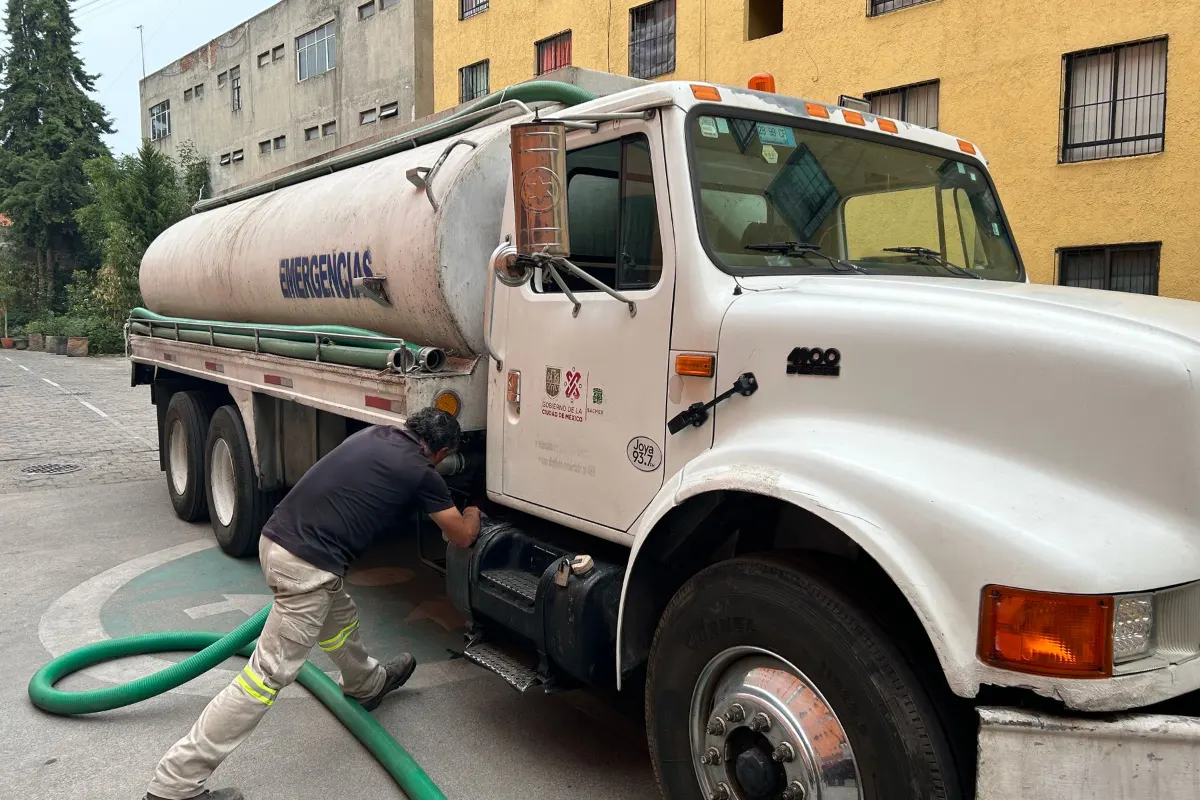
How often to pump a septic tank
Most household septic tanks need pumping every three to five years, according to EPA, with the exact interval set by tank size, household size and water use. An inspection tells you how full the tank really is, so you pump when it is needed rather than on a guess.
Pumping removes the sludge that settles at the bottom of the tank and the scum that floats on top. If those layers build up too far, solids can wash into the drainfield and clog it, and a clogged drainfield is far more expensive to fix than a pump-out. RIDEM's Septic Smart homeowner page makes the same point about routine care. Our septic maintenance schedule guide lays out a simple year-by-year plan.
Pump-out rules in South County towns
Several South County towns set pumping rules by ordinance rather than leaving it to the owner. Narragansett, Charlestown, North Kingstown and Block Island each have a rule, based on either a fixed interval or how full the tank is. If your town is not listed, EPA's three-to-five-year guide is a sensible default.
RIDEM's summary of local programs lists a Narragansett utilities ordinance requiring septic pumping at least every four years, with records submitted to the town. In Charlestown, Code Chapter 210 says a pumping schedule may never be less than once every six years. North Kingstown requires pumping when solids reach 50 percent, and accepts a pump-out in place of an inspection (town FAQ). On Block Island, the town code requires pumping within 30 days of notice once sludge and scum reach 25 to 33 percent of capacity.
| Town | Pumping rule |
|---|---|
| Narragansett | At least every 4 years, records to the town (per RIDEM's 2022 summary) |
| Charlestown | Schedule never less than once every 6 years |
| North Kingstown | Pump when solids reach 50 percent; pump-out can stand in for inspection |
| Block Island | Pump within 30 days once sludge and scum reach 25 to 33 percent |
| Other South County towns | No town rule found; EPA suggests every 3 to 5 years |
Why summer pumping can be harder in South County
Pumped septage has to go to a treatment plant, and capacity is limited in summer. Westerly's Margin Street plant accepts Westerly septage all year, but it takes residential septage from Charlestown and other Washington County towns only from October to May, when capacity exists, according to the town's septage hauler rules.
Westerly also charges haulers more for loads from outside town: $0.08 per gallon for Westerly septage and $0.10 per gallon for loads from elsewhere. Haulers working in other towns may have to drive farther in summer, which can mean longer waits or higher prices. If your pump-out is not urgent, booking it in the fall, winter or spring can be easier, especially near the beaches where summer population climbs.
Pumping a cesspool is not a fix
A cesspool that needs frequent pumping is telling you something. Under the Cesspool Act definitions, a cesspool pumped more than twice a year, or with liquid within 6 inches of the inlet, counts as failed. A failed cesspool must be properly abandoned within one year of discovery, or sooner if it is a health hazard.
South Kingstown is stricter. Its cesspool page says a failed cesspool, or one that needs two or more pumpings in 12 months, must be replaced within 18 months of the notice of violation. If you are pumping often, read our signs of septic failure guide and look at cesspool replacement before the next pump-out. The full statewide rules are on our Rhode Island cesspool law page.
What septic pumping costs
EPA puts routine maintenance, meaning pumping and inspection, at about $250 to $500 every three to five years. The only Rhode Island pumping figure we found is dated: a 2009 RIDEM FAQ listed $175 to $200 for pumping during a cesspool inspection. Expect current quotes to differ with tank size and access.
Things that change the price include how hard the tank lid is to reach, whether it has to be dug up, the tank size, and the season, given the summer disposal limits described above. Ask for the price in writing and ask whether digging to the lid is included. Call 401-535-7951 for a free estimate.
This is general information, not legal or tax advice.
Pumping and inspection: what each tells you
Pumping empties the tank, while an inspection judges the whole system, including baffles, pipes and the drainfield. A pump-out alone can hide problems for a while. That is why most towns with rules in South County ask for an inspection on a set cycle and treat pumping as one part of care.
A good time to inspect is right after the tank is pumped, when the inside is visible. EPA suggests an inspection at least every three years for a typical system and about once a year for alternative systems (EPA care guide). Our septic inspections page covers the town schedules in South Kingstown, Charlestown, North Kingstown and Block Island.
Keeping pump-out records
Keep every pump-out receipt. Several South County towns expect proof: Narragansett's rule, as RIDEM summarizes it, calls for records to be submitted to the town, and North Kingstown asks owners to submit proof of inspection or pumping. A clean record also helps when you sell the house.
Records help a buyer or inspector see how the system has behaved over time. If the history shows the tank filling faster than it used to, that can point to a drainfield problem worth checking with a septic repair visit. You can see all of our septic services in South County, or get in touch to book a pump-out.
Septic pumping questions
How often should I pump my septic tank in Rhode Island?
EPA's general guide is every three to five years for a typical household system. Some South County towns set their own rules: RIDEM's summary of local programs lists a four-year pumping rule in Narragansett, North Kingstown requires pumping when solids reach half the tank, and Block Island requires pumping once solids reach 25 to 33 percent of capacity.
Why is it harder to get a pump-out in summer?
Pumped septage has to go to a treatment plant. Westerly's Margin Street plant accepts residential septage from other Washington County towns only from October to May when it has capacity, so haulers may have fewer places to unload in summer. See the Westerly septage rules.
Does pumping fix a failing cesspool?
No. Pumping only buys time. Under the Rhode Island Cesspool Act, a cesspool that needs pumping more than twice a year meets the definition of a failed cesspool, and a failed cesspool must be abandoned within one year of discovery. Replacement with a septic system or a sewer connection is the long-term answer.
Does a pump-out count as a town inspection?
In North Kingstown, a pump-out is accepted in place of an inspection under the wastewater management ordinance, as long as you submit proof. Other towns set their own terms, and an inspection looks at more than the tank. Check your town's rules before assuming a receipt will do.
How much does septic pumping cost?
EPA estimates $250 to $500 for routine maintenance every three to five years, which covers pumping and inspection. Actual prices depend on tank size, how easy the lid is to reach, and the season. Call 401-535-7951 for a free estimate for your address.